
Bladder cancer: Full guide
What is bladder cancer?
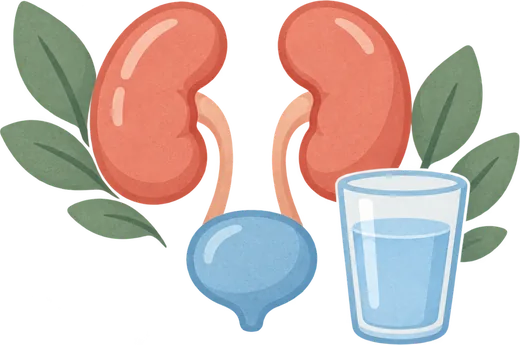
Your bladder is a hollow, stretchy organ in your lower belly. It holds urine (pee) until you go to the bathroom. Bladder cancer starts when cells in the lining of the bladder grow out of control.
The most common first sign is blood in the urine. The urine may look pink, red, or brown. Some people also need to pee often, or it burns when they pee.
Smoking is the biggest risk factor. Contact with some chemicals at work, such as in dye, rubber, or aluminum plants, also raises the risk. Some past cancer medicines and long-term bladder infections can raise the risk too.
The same lining covers parts of the kidneys and the ureters (tubes from the kidneys to the bladder). It also lines the urethra (the tube that carries urine out). So cancer can also start in these places, or come back there later.
Many bladder cancers are found before they grow deep into the bladder wall. Treatment has improved a lot in recent years. Your care team will explain what this means for you.
Types
- Urothelial carcinoma
- The most common type by far. It starts in the cells that line the inside of the bladder. It is also called transitional cell carcinoma.
- Non-muscle-invasive bladder cancer (NMIBC)
- Cancer that is only in the inner lining and has not grown into the bladder muscle. Most people are diagnosed at this stage. It often comes back, so close follow-up is key.
- Muscle-invasive bladder cancer (MIBC)
- Cancer that has grown into the thick muscle of the bladder wall. It is more serious and needs stronger treatment, with the goal of cure.
- Carcinoma in situ (CIS)
- Flat, high-grade cancer cells on the bladder lining. It has not grown deeper yet, but it can become invasive if not treated.
- Upper tract urothelial carcinoma
- The same type of cancer, but in the lining of the kidney or ureter. It is less common. It can be linked to an inherited condition called Lynch syndrome.
- Squamous cell carcinoma
- A less common type. It can be linked to long-term bladder irritation, such as from infections or catheters (tubes kept in the bladder).
- Adenocarcinoma and small cell carcinoma
- Rare types. Small cell cancer is often treated like small cell lung cancer. These types are treated differently from urothelial cancer.
Tests you may have
- Urine tests
- A sample of your urine is checked for blood and for cancer cells. The test for cancer cells is called urine cytology.
- Cystoscopy
- A thin tube with a camera goes into the bladder through the urethra. The doctor can see the inside of the bladder. It is usually done in the office with numbing gel.
- TURBT
- Transurethral resection of bladder tumor. In the operating room, the doctor removes the tumor through the urethra, with no cuts on the skin. It shows the type of cancer and how deep it goes. Some people need a second TURBT a few weeks later.
- CT urogram or MRI
- Scans that make detailed pictures of the kidneys, ureters, and bladder. They help find other tumors and check the lymph nodes and other organs.
- PET-CT scan
- A scan that uses a small amount of a sugar tracer. Cancer cells take up more of it. It may help show if muscle-invasive cancer has spread.
- Ureteroscopy
- A thin camera goes up into the ureter and kidney. It is used to look for and take samples from tumors in the upper urinary tract.
- Blood tests
- These check blood counts, liver function, and kidney function. Kidney function matters a lot, because it helps decide which chemotherapy is safe for you.
- Hearing and nerve checks
- Some chemotherapy can affect hearing and cause numbness. Your team may check these before treatment starts.
What the stage means
The stage tells how deep the cancer has grown into the bladder wall and whether it has spread. The grade tells how abnormal the cells look. High-grade cancers tend to grow faster.
For cancer that has not reached the muscle, your team also sorts it into low, intermediate, or high risk. This helps decide how much treatment you need.
- Ta
- The tumor is a small growth on the inner lining. It has not grown into deeper layers. It often comes back but rarely spreads.
- Tis (CIS)
- Flat cancer cells on the lining only. It is high grade and needs treatment.
- T1
- The tumor has grown into the layer just under the lining, but not into the muscle. It is still non-muscle-invasive, but it is higher risk.
- Stage 2
- The cancer has grown into the bladder muscle. It has not spread to lymph nodes.
- Stage 3
- The cancer has grown through the muscle into the fat or organs near the bladder. Or it has reached lymph nodes in the pelvis.
- Stage 4
- The cancer has grown into the wall of the pelvis or belly, or spread to lymph nodes farther away. Or it has reached distant organs like the lungs, liver, or bones. This is called metastatic cancer. Treatment uses medicines that travel through the whole body.
Tumor markers and gene tests
For cancer that has spread, your tumor may be tested for certain gene changes and proteins. These results can open up more treatment choices.
Testing is often done on tissue from your TURBT or surgery. Sometimes a blood test is used.
Some people are also offered testing for inherited gene changes. This is more likely with upper tract cancer or a strong family history.
- Broad gene testing (NGS)
- Next-generation sequencing looks at many genes at once in the tumor. It can find FGFR3 changes and other targets in one test.
- FGFR3
- A gene change found in some bladder cancers, and more often in upper tract cancers. If your tumor has it, a targeted pill called erdafitinib may be an option after other treatment.
- HER2
- A protein found on some bladder cancers. Medicines that target HER2 are being studied and used in some cases. Ask if your tumor was tested.
- PD-L1
- A protein on some cancer cells. For bladder cancer, most immunotherapy choices do not depend on this test.
- Circulating tumor DNA (ctDNA)
- A blood test that looks for tiny bits of cancer DNA after surgery. It is being studied to help decide who needs more treatment.
- Lynch syndrome testing
- Lynch syndrome is an inherited condition that raises the risk of colon, uterine, and upper tract urothelial cancers. A genetic counselor can help decide if you should be tested.
Main treatments
- TURBT
- Removing the tumor through the urethra. For non-muscle-invasive cancer, this is the first treatment. It is often followed by medicine placed in the bladder.
- Intravesical therapy
- Medicine put straight into the bladder through a catheter. It stays there for a short time and is then peed out. A single dose of chemotherapy right after TURBT can lower the chance of low-risk cancer coming back.
- BCG
- A weakened germ that wakes up the immune system inside the bladder. It is the main treatment for intermediate- and high-risk non-muscle-invasive cancer. It is given weekly at first, then as booster (maintenance) treatments for up to about 3 years. If the cancer comes back after BCG, bladder removal is often advised. Other choices include bladder devices that slowly release chemotherapy, gene therapy, and immune medicines.
- Radical cystectomy
- Surgery to remove the whole bladder and nearby lymph nodes. In men, the prostate is also removed. In women, the uterus and nearby organs may be removed. The surgeon then makes a new way for urine to leave the body. This may be a urostomy (an opening on the belly with a bag). It may also be a pouch inside the body, or a new bladder made from bowel (neobladder).
- Treatment before and after surgery
- For muscle-invasive cancer, medicine is often given before surgery. It can shrink the cancer and lower the chance it comes back. This may be cisplatin chemotherapy plus immunotherapy, or enfortumab vedotin plus pembrolizumab. Some people get more of the same medicine after surgery.
- Bladder-sparing treatment (trimodality therapy)
- For some people with muscle-invasive cancer, the bladder can be kept. This uses a thorough TURBT, then radiation with chemotherapy at the same time. It works best for a single, smaller tumor. You will need regular cystoscopy checks for life.
- Upper tract surgery
- Small tumors in the kidney or ureter may be removed with a scope. Or the kidney and ureter may be removed (nephroureterectomy). Chemotherapy may be given after surgery for higher-risk cancer.
- Enfortumab vedotin plus pembrolizumab
- For cancer that has spread, this is now a preferred first treatment for most people. Enfortumab vedotin is an antibody-drug conjugate: an antibody that carries chemotherapy straight to cancer cells. Pembrolizumab is an immunotherapy.
- Other treatments for advanced cancer
- Other options include platinum chemotherapy with immunotherapy. Another is chemotherapy followed by avelumab (an immunotherapy) to keep the cancer under control. Erdafitinib is a pill for cancers with an FGFR3 gene change.
- Clinical trials and supportive care
- Clinical trials test new treatments and may be a good choice at any stage. Supportive (palliative) care helps with symptoms and quality of life, alongside cancer treatment.
Common side effects and what helps
- Bladder irritation
- BCG and other bladder treatments can cause burning or needing to pee often. You may see some blood in the urine for a day or two. Drink fluids and ask about medicines that calm the bladder. Call if it lasts more than a few days.
- Flu-like feelings
- BCG can cause mild fever, chills, or aches for a day or so. Call right away for a high fever or feeling very sick after BCG. BCG infection is rare but serious.
- Numbness and tingling
- Enfortumab vedotin and some chemotherapy can cause numbness in the hands and feet. Tell your team early, so they can adjust treatment before it gets worse.
- Skin rash
- Enfortumab vedotin can cause rash, sometimes serious. Use gentle soap and moisturizer. Report any new rash, blisters, or peeling skin right away.
- High blood sugar
- Enfortumab vedotin can raise blood sugar. Your team will check it. Tell them about extreme thirst or peeing much more than usual.
- Eye and mouth changes
- Erdafitinib can cause dry eyes, vision changes, and mouth sores. You will have regular eye exams. Report any change in vision.
- Immune side effects
- Immunotherapy can cause swelling in healthy organs like the lungs, bowels, liver, skin, or hormone glands. Tell your team about new cough, diarrhea, rash, or feeling unwell.
- Fatigue and low blood counts
- Chemotherapy can make you very tired and lower your blood counts. Short walks and rest help. Wash your hands often and call right away for a fever.
- Life with a urostomy
- Learning to care for a stoma (the opening on the belly) takes time. A wound and ostomy nurse will teach you. Most people return to work, travel, and exercise.
- Bladder and bowel changes after radiation
- Radiation can cause frequent urination, loose stools, or rectal irritation. Most of this improves after treatment. Tell your team if it does not.
Living with and after bladder cancer
Bladder cancer often comes back, even after good treatment. That is why regular checkups matter so much. You will have cystoscopy, urine tests, and scans on a set schedule, often for many years.
If you smoke, quitting is one of the best things you can do. It may lower the chance of the cancer coming back. Ask your team for help. Medicines and counseling make quitting more likely to work.
If your bladder was removed, it can take a few months to adjust. Ostomy nurses, support groups, and other people who have been through it can help a lot. Changes in sex and body image are common. It is okay to bring them up with your team.
If you had a neobladder, you will learn new habits for emptying it. If you kept your bladder, you will need regular cystoscopy for life.
Some treatments can cause lasting effects like numbness, hearing changes, or kidney changes. Tell your team about any new problems.
It is normal to feel worried, sad, or tired of appointments. Counselors, social workers, and support groups can help you and your family.
Call your care team right away if you have
- Fever of 100.4 F (38 C) or higher, or chills
- High fever, shaking chills, or feeling very sick after a BCG treatment
- Not able to pee, or peeing very little
- Heavy blood or clots in the urine
- Severe belly, side, or back pain
- New rash with blisters, peeling skin, or mouth sores
- Very strong thirst, peeing a lot more than usual, or confusion
- Sudden changes in vision
- New cough or shortness of breath, especially on immunotherapy
- Severe diarrhea, or diarrhea with belly pain or blood
- Stoma that turns dark, purple, or black, or stops putting out urine
- Swelling or pain in one leg
Sources
- NCI PDQ: Bladder Cancer Treatment (Patient Version)
- NCI PDQ: Transitional Cell Cancer of the Renal Pelvis and Ureter Treatment (Patient Version)
- American Cancer Society: Bladder Cancer
- NCCN Guidelines for Patients
Last updated: 2026-10-27. Medically reviewed by Veli Bakalov, MD, medical oncologist (October 2026). General education from Step by Step, the patient portal of HemeOncBuddy.