
CAR T-cell therapy
Say it: kar TEE sel THAIR-uh-pee · Brand names: Kymriah, Yescarta, Tecartus, Breyanzi, Abecma, Carvykti, Aucatzyl
CAR T-cell therapy is a treatment made from your own immune cells, changed in a lab so they can find and kill cancer cells.
What it is
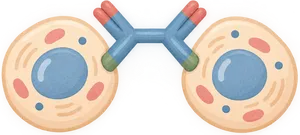
Your team collects some of your T cells (a type of immune cell) from your blood. In a lab, the cells are given a new receptor, called a CAR, that lets them find a protein on the cancer, such as CD19 or BCMA. The cells are grown and given back to you, where they attack the cancer and can stay in your body for a long time.
Often used for
- large B-cell lymphoma
- follicular lymphoma
- mantle cell lymphoma
- B-cell acute lymphoblastic leukemia
- chronic lymphocytic leukemia
- multiple myeloma
How you get it
First, your blood is filtered through a machine to collect T cells, which takes a few hours. It takes several weeks to make your cells. A few days before the infusion, you get low dose chemotherapy to make room for the new cells, and then the CAR T cells are given once as an infusion into a vein. You will need to stay near your treatment center for at least 2 weeks afterward. Your schedule may be different.
Common side effects and what helps
- Fever, often from cytokine release syndrome. Your team will check you often.
- Low blood counts, which can last weeks or months. Wash your hands often and avoid sick people.
- Infections. Your team may give you medicines to help prevent them.
- Feeling very tired. Rest and slowly build up activity.
- Headache. Tell your team, since it can be an early sign of nerve side effects.
- Confusion or trouble finding words. A caregiver should watch for this and call right away.
- Low blood pressure or dizziness. Stand up slowly.
- Nausea, diarrhea, or lower appetite. Drink fluids and eat small meals.
Call your care team right away if you have
- Fever, chills, fast heartbeat, dizziness, or trouble breathing (possible signs of cytokine release syndrome, a strong immune reaction)
- Confusion, trouble speaking or writing, shaking, very bad sleepiness, seizures, or feeling not like yourself
- A fever of 100.4 degrees Fahrenheit (38 degrees Celsius) or higher
- Shaking chills, cough, or other signs of infection
- Bleeding or bruising that is not normal for you
- Feeling very dizzy or fainting
Before you start, tell your team
- If you have an infection now
- If you have had hepatitis B, hepatitis C, or HIV
- If you have heart, lung, or kidney problems
- If you have ever had a seizure, stroke, or memory problems
- If you are pregnant, may become pregnant, or are breastfeeding
- All the medicines, vitamins, and herbal products you take
Good to know
- CAR T cells can cause cytokine release syndrome, a strong immune reaction with fever, low blood pressure, and trouble breathing. It can be life threatening, so you will be watched closely.
- CAR T cells can cause nervous system problems, such as confusion, trouble speaking, or seizures. Do not drive or use heavy machines for at least 2 weeks, or longer if your team says so.
- Blood counts and infection fighting antibodies can stay low for a long time. You will have blood tests for months.
- New blood cancers, including cancers of T cells, have rarely happened after CAR T-cell therapy. You will be checked for life.
- Do not donate blood, organs, tissue, or cells after this treatment.
At home
- Stay within about 2 hours of your treatment center for at least 2 weeks after the infusion, or as long as your team says.
- Have a caregiver with you around the clock during this time who can watch for fever and confusion.
- Carry the wallet card your team gives you and show it to any doctor or emergency room.
- Check your temperature as often as your team tells you.
Questions to ask
- Which CAR T product will I get, and what does it target?
- How long will it take to make my cells, and what happens while I wait?
- Where will I stay, and who will be my caregiver after the infusion?
- When can I drive and go back to work?
- Which vaccines will I need again afterward?
Side effect guides
- Fatigue (tiredness)
- Nausea and vomiting
- Diarrhea
- Appetite loss and weight loss
- Low white blood cells and infection risk
Sources
Quick answers
- What is CAR T-cell therapy?
- CAR T-cell therapy is a treatment made from your own immune cells, changed in a lab so they can find and kill cancer cells. Brand names: Kymriah, Yescarta, Tecartus, Breyanzi, Abecma, Carvykti, Aucatzyl.
- What is CAR T-cell therapy used for?
- large B-cell lymphoma; follicular lymphoma; mantle cell lymphoma; B-cell acute lymphoblastic leukemia; chronic lymphocytic leukemia; multiple myeloma.
- How is CAR T-cell therapy given?
- First, your blood is filtered through a machine to collect T cells, which takes a few hours. It takes several weeks to make your cells. A few days before the infusion, you get low dose chemotherapy to make room for the new cells, and then the CAR T cells are given once as an infusion into a vein. You will need to stay near your treatment center for at least 2 weeks afterward. Your schedule may be different.
- What are the common side effects of CAR T-cell therapy?
- Fever, often from cytokine release syndrome. Low blood counts, which can last weeks or months. Infections. Feeling very tired. Headache. Confusion or trouble finding words. Low blood pressure or dizziness. Nausea, diarrhea, or lower appetite.
- When should I call my care team while taking CAR T-cell therapy?
- Fever, chills, fast heartbeat, dizziness, or trouble breathing (possible signs of cytokine release syndrome, a strong immune reaction); Confusion, trouble speaking or writing, shaking, very bad sleepiness, seizures, or feeling not like yourself; A fever of 100.4 degrees Fahrenheit (38 degrees Celsius) or higher; Shaking chills, cough, or other signs of infection; Bleeding or bruising that is not normal for you; Feeling very dizzy or fainting.
Last updated: 2026-10-27. Medically reviewed by Veli Bakalov, MD, medical oncologist (October 2026). General education from Step by Step, the patient portal of HemeOncBuddy.