
Cetuximab
Say it: seh-TUX-ih-mab · Brand names: Erbitux
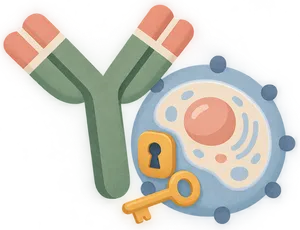
Cetuximab is a targeted antibody medicine that blocks a protein called EGFR that helps some cancers grow.
What it is
Some cancer cells use a protein called EGFR to get signals to grow. Cetuximab sticks to EGFR and blocks these signals. For colon cancer, it only works when tests show the tumor does not have changes in the RAS genes.
Often used for
- head and neck cancer, sometimes with radiation
- colon and rectal cancer without RAS gene changes
- colon cancer with a BRAF gene change, together with other targeted medicines
How you get it
You get cetuximab as an infusion into a vein at a clinic. The first infusion takes about 2 hours, and later ones take about 1 hour. It is usually given once a week or once every 2 weeks. Your schedule may be different.
Common side effects and what helps
- An acne like rash on the face, chest, and back. Use gentle, alcohol free lotion and sunscreen, and ask your team about creams.
- Dry, itchy, or cracked skin. Use thick, unscented moisturizer every day.
- Red, sore skin around the nails. Wear loose shoes and keep your hands and feet clean and dry.
- Feeling tired. Rest and short walks can help.
- Diarrhea. Drink plenty of fluids.
- Low magnesium in the blood, which can cause cramps. Your team will check your blood.
- Skin that burns easily in the sun. Wear a hat and sunscreen and limit time in the sun.
Call your care team right away if you have
- Trouble breathing, wheezing, swelling of the lips or throat, or feeling faint during or after the infusion
- Chest pain or a racing or uneven heartbeat
- New or worse cough or shortness of breath
- A rash that is painful, blistering, peeling, or looks infected
- Muscle cramps, twitching, or very bad weakness
- A fever of 100.4 degrees Fahrenheit (38 degrees Celsius) or higher
Before you start, tell your team
- If you have ever had an allergy to red meat or many tick bites, since this can raise the risk of a serious reaction
- If you have heart disease or have had a heart attack
- If you have lung problems
- If you are pregnant, may become pregnant, or are breastfeeding
- All the medicines, vitamins, and herbal products you take
Good to know
- Serious infusion reactions can happen, most often with the first dose. You will be watched during and after each infusion.
- Heart problems, including cardiac arrest, have happened, mostly when given with radiation for head and neck cancer. Your team will check your blood salts.
- You will have blood tests to check magnesium and other blood salts during and after treatment.
- Skin side effects are common. Limiting sun exposure can help.
At home
- Limit time in the sun and wear sunscreen and a hat while on this medicine and for 2 months after.
- Use thick, unscented moisturizer on your skin every day.
Questions to ask
- What creams or medicines can I use for the rash?
- Will my tumor be tested for RAS or BRAF changes?
- How often will you check my magnesium?
- How long will I get this medicine?
Part of these treatment plans
Side effect guides
Sources
Quick answers
- What is Cetuximab?
- Cetuximab is a targeted antibody medicine that blocks a protein called EGFR that helps some cancers grow. Brand names: Erbitux.
- What is Cetuximab used for?
- head and neck cancer, sometimes with radiation; colon and rectal cancer without RAS gene changes; colon cancer with a BRAF gene change, together with other targeted medicines.
- How is Cetuximab given?
- You get cetuximab as an infusion into a vein at a clinic. The first infusion takes about 2 hours, and later ones take about 1 hour. It is usually given once a week or once every 2 weeks. Your schedule may be different.
- What are the common side effects of Cetuximab?
- An acne like rash on the face, chest, and back. Dry, itchy, or cracked skin. Red, sore skin around the nails. Feeling tired. Diarrhea. Low magnesium in the blood, which can cause cramps. Skin that burns easily in the sun.
- When should I call my care team while taking Cetuximab?
- Trouble breathing, wheezing, swelling of the lips or throat, or feeling faint during or after the infusion; Chest pain or a racing or uneven heartbeat; New or worse cough or shortness of breath; A rash that is painful, blistering, peeling, or looks infected; Muscle cramps, twitching, or very bad weakness; A fever of 100.4 degrees Fahrenheit (38 degrees Celsius) or higher.
- Which chemotherapy plans include Cetuximab?
- Cisplatin with radiation, FOLFIRI, FOLFOX.
Last updated: 2026-10-27. Medically reviewed by Veli Bakalov, MD, medical oncologist (October 2026). General education from Step by Step, the patient portal of HemeOncBuddy.