
Mouth sores
Mouth sores are painful red spots or ulcers inside your mouth or throat. They can make eating, drinking, and talking hard.
Why it happens
Some chemotherapy drugs, such as fluorouracil (5-FU) and methotrexate, can cause them. Radiation to the head and neck, stem cell transplant, and some targeted drugs can too.
What helps
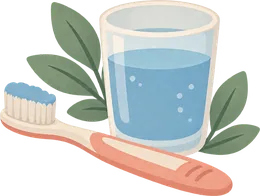
- Brush gently with a soft toothbrush after meals and at bedtime.
- Rinse your mouth several times a day with a mix of salt, baking soda, and water.
- Avoid mouthwash with alcohol, and skip spicy, salty, acidic, or crunchy foods.
- Choose soft, moist foods like yogurt, eggs, oatmeal, and smoothies.
- Keep your lips moist with a lip balm.
- See a dentist before treatment starts if you can.
Call your care team right away if you have
- The pain keeps you from eating or drinking.
- You see white patches, which can mean a yeast infection.
- You have a fever along with mouth sores.
Questions to ask
- Is there a mouth rinse or medicine that can numb the pain?
- Could these sores be an infection?
- What foods and drinks do you suggest while my mouth heals?
Medicines that can cause this
- Alpelisib
- Amivantamab
- Bleomycin
- Busulfan
- Cabozantinib
- Capecitabine
- Capivasertib
- Cyclophosphamide
- Cytarabine
- Datopotamab deruxtecan
- Daunorubicin
- Docetaxel
- Doxorubicin
- Epirubicin
- Erlotinib
- Etoposide
- Everolimus
- Fluorouracil (5-FU)
- Gilteritinib
- Hydroxyurea
- Idarubicin
- Ivosidenib
- Lapatinib
- Lenvatinib
- Leucovorin
- Liposomal doxorubicin
- Liposomal irinotecan
- Melphalan
- Mercaptopurine (6-MP)
- Methotrexate
Sources
Quick answers
- What is mouth sores during cancer treatment?
- Mouth sores are painful red spots or ulcers inside your mouth or throat. They can make eating, drinking, and talking hard.
- Why does mouth sores happen?
- Some chemotherapy drugs, such as fluorouracil (5-FU) and methotrexate, can cause them. Radiation to the head and neck, stem cell transplant, and some targeted drugs can too.
- What helps with mouth sores?
- Brush gently with a soft toothbrush after meals and at bedtime; Rinse your mouth several times a day with a mix of salt, baking soda, and water; Avoid mouthwash with alcohol, and skip spicy, salty, acidic, or crunchy foods; Choose soft, moist foods like yogurt, eggs, oatmeal, and smoothies; Keep your lips moist with a lip balm; See a dentist before treatment starts if you can.
- When should I call my care team about mouth sores?
- The pain keeps you from eating or drinking; You see white patches, which can mean a yeast infection; You have a fever along with mouth sores.
Last updated: 2026-10-27. Medically reviewed by Veli Bakalov, MD, medical oncologist (October 2026). General education from Step by Step, the patient portal of HemeOncBuddy.