AL amyloidosis
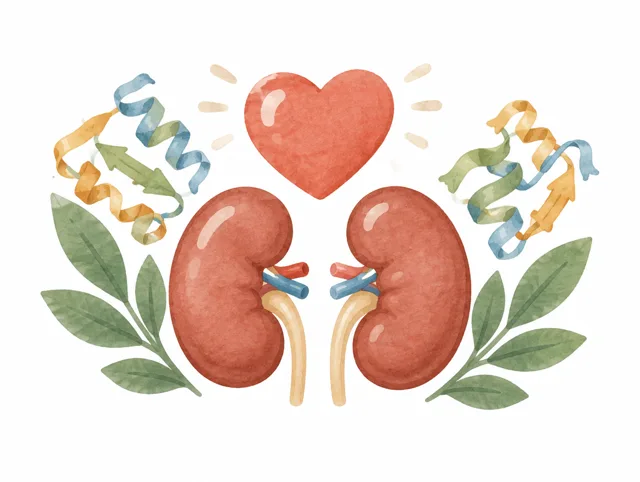
AL amyloidosis is a rare plasma cell condition that can harm the heart, kidneys, and other organs, and today's treatments help many people stop the damage and live for years.
Hi, I'm Rosa. Today we'll go through AL amyloidosis together, one step at a time. I'll keep it simple, and you can pause me, go back, or skip ahead whenever you like. Just so you know, this is for learning only. It is not medical advice, so please check everything with your own doctor and care team. Okay, let's get started.
What AL amyloidosis is
Let's start with the basics. AL amyloidosis starts in plasma cells. These are white blood cells in your bone marrow. A small group of them makes too many light chains. Light chains are small pieces of antibody protein. These pieces fold the wrong way and stick together. They form fibers called amyloid. Amyloid builds up in organs like the heart and kidneys. Over time, it keeps them from working well. It is rare, and it can take time to diagnose. Treatment can stop new amyloid from forming, and organs often slowly get better.
Organs affected
Let's talk briefly about which organs can be affected. The heart is affected in most people. The heart walls get thick and stiff. This can cause shortness of breath, swelling, and dizziness. The kidneys can leak protein, so urine may look foamy. Nerves can cause numbness or tingling in the feet and hands. The liver and gut can also be affected. Sometimes amyloid stays in just one spot, like the bladder or skin. There is also a different type of amyloid that is treated very differently. That is why testing the exact type matters.
Tests you may have
Now let's talk about tests. A biopsy is the key test. A small piece of tissue is checked with a special dye. It may come from belly fat, the bone marrow, or an affected organ. A lab test then confirms the exact type of amyloid. Blood and urine tests measure the light chains. Heart blood tests show how much strain the heart is under. An ultrasound of the heart, and sometimes a heart MRI, look at the heart walls. Kidney tests check how much protein is leaking. You can read more about each test in the guide.
Stages and the heart
Next up, the stage. In this condition, the stage is based mostly on the heart. That is because the heart has the biggest effect on how people do. Doctors use two heart blood tests. Many also add the light chain level. Each high result adds a point. More points mean a higher stage. The kidneys have their own stages too. Your stage helps your team choose how strong treatment can be. It is not a fixed prediction. Organs can get better, and people at every stage are treated.
Lab tests and response
Before we move to treatment, there are some things to know. Doctors track two kinds of response. The first is how much the light chains drop. This often happens within weeks to months. The second is whether your organs get better. That is slower. It can take six months to a year or more. A deep drop in light chains gives your organs the best chance to heal. Your doctor will tell you what your results mean. You can read more in the guide. The Questions to ask page can help you prepare.
Main treatments
Now let's talk about treatment. Most people start with four medicines together. One is an antibody shot called daratumumab. It is given with a chemotherapy pill, another shot, and a steroid. This lasts about six months. Then daratumumab alone continues for up to two years. Some people with a healthy enough heart and kidneys may have a stem cell transplant. Care for the heart and kidneys is also part of treatment. Water pills and less salt help with swelling. Clinical trials are research studies that may offer new options. Ask your team about them.
Side effects and help
Let's look at side effects. Fluid can build up and cause swelling. Weigh yourself every morning, and call if your weight goes up fast. Treatment can make you dizzy when you stand. Stand up slowly. Some medicines cause numbness or tingling in the hands and feet. Tell your team early, so they can adjust things. Infections are more likely. Vaccines and hand washing really matter. Feeling tired is common. Short walks and rest breaks can help. We have a whole side effects guide on this site.
Living well with AL amyloidosis
Now let's talk about living well. Many people do well, especially when it is found early. Care at a center with amyloidosis experience helps. Organs heal slowly, so be patient with yourself. Keep a daily log of your weight. Ask before taking any new medicine, including pain pills. Call your care team right away for a fever. Call if you feel faint or your weight goes up fast. Call for chest pain or trouble breathing. If it feels very bad, call 911. Also visit our new Screening, prevention and survivorship section.
You did great today. Thank you for learning with me. Write down your questions and bring them to your next visit. You can call your care team any time, day or night. Healing takes time, and every small gain counts. You are not alone.
Call your care team right away if you have
- Fever of 100.4 F (38 C) or higher, or shaking chills
- Fainting, or feeling like you will pass out, especially when standing
- Chest pain, new or worse shortness of breath, or trouble breathing when lying flat
- A racing, pounding, or irregular heartbeat
- Quick weight gain (2 to 3 pounds in a day or 5 pounds in a week) or new swelling in the legs or belly
- Passing much less urine than usual
- Diarrhea or vomiting that will not stop, or you cannot keep fluids down
- Bleeding that will not stop, black stools, or many new bruises
- A painful rash with blisters on one side of the body (possible shingles)
- New confusion or extreme weakness
Side effects: what helps
- Fatigue (tiredness)
- Nausea and vomiting
- Diarrhea
- Constipation
- Mouth sores
- Appetite loss and weight loss
- Taste changes
- Hair loss
- Low white blood cells and infection risk
- Fever with low white blood cells (febrile neutropenia)
- Anemia (low red blood cells)
- Low platelets and bleeding
Sources
Quick answers
- What is AL amyloidosis?
- AL amyloidosis is a rare condition that starts in plasma cells. Plasma cells are white blood cells in the bone marrow that make antibodies. In AL amyloidosis, a small group of abnormal plasma cells makes too many light chains. Light chains are small pieces of antibody protein. AL stands for amyloid light chain. These light chains fold into the wrong shape. They stick together and form fibers called amyloid. Amyloid builds up in organs and tissues, such as the heart, kidneys, liver, nerves, and gut. Over time, it makes the organs stiff and keeps them from working well.
- When should I call my care team?
- Fever of 100.4 F (38 C) or higher, or shaking chills; Fainting, or feeling like you will pass out, especially when standing; Chest pain, new or worse shortness of breath, or trouble breathing when lying flat; A racing, pounding, or irregular heartbeat; Quick weight gain (2 to 3 pounds in a day or 5 pounds in a week) or new swelling in the legs or belly; Passing much less urine than usual; Diarrhea or vomiting that will not stop, or you cannot keep fluids down; Bleeding that will not stop, black stools, or many new bruises; A painful rash with blisters on one side of the body (possible shingles); New confusion or extreme weakness.
Last updated: 2026-10-27. Medically reviewed by Veli Bakalov, MD, medical oncologist (October 2026). General education from Step by Step, the patient portal of HemeOncBuddy.