
Anal cancer
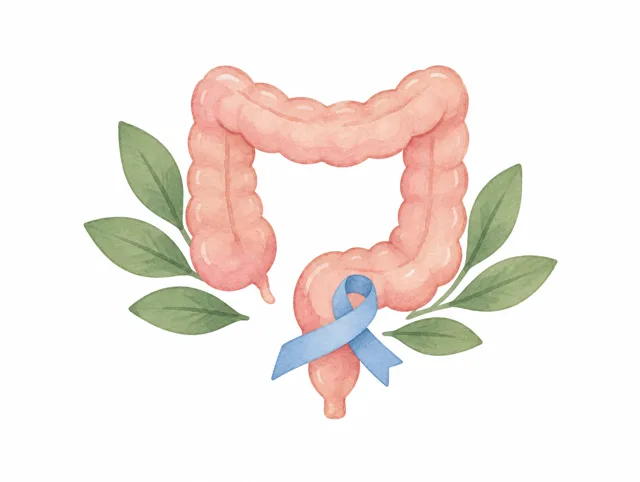
Most anal cancers are treated with chemotherapy and radiation together, without major surgery, and many people are cured.
Hi, I'm Rosa. Today we'll go through anal cancer together, one step at a time. I'll keep it simple, and you can pause me, go back, or skip ahead whenever you like. Just so you know, this is for learning only. It is not medical advice, so please check everything with your own doctor and care team. Okay, let's get started.
What anal cancer is
Let's start with the basics. The anus is the opening where stool leaves your body. Anal cancer starts in the short tube that leads to that opening. Most anal cancers are caused by a common virus. It is called human papillomavirus, or HPV for short. It spreads by skin contact during sex. Most people get it at some point, and it usually goes away. When it stays for years, it can slowly cause cancer. Having this virus is common and nothing to be ashamed of. Bleeding, pain, itching, or a lump are common signs. Many people are cured without major surgery.
Types and related conditions
Now let's talk briefly about the types. Almost all anal cancers are squamous cell carcinoma. That means they start in the flat cells that line the canal. Some start inside the canal. Some start in the skin right around the opening. Precancer means abnormal cells that are not cancer yet. Treating precancer can stop cancer from forming. There are also rare types, and they are treated differently. Your care team will tell you which type you have.
Tests you may have
Now let's talk about tests. The doctor will check the area and gently feel inside with a gloved finger. They will also feel your groin for swollen glands. A short lighted tube lets the doctor look inside. A biopsy takes a small piece of tissue. It is the only way to know for sure. A pelvic MRI scan shows the size of the tumor. CT or PET scans check if it has spread. You will also be offered an HIV test. This helps your team plan safe treatment.
What the stage means
Next up, let's talk about stages. The stage tells how big the tumor is. It also tells if it has spread to glands or other parts of the body. Anal cancer uses stages one to four. Most people are found at stage one, two, or three. These stages are treated with the goal of cure. Stage four means it has spread further away. Treatment then aims to control the cancer and help you feel better. Ask your care team to explain your stage.
Tumor markers and other tests
Before we move to treatment, there are some things to know. For anal cancer, treatment is mostly based on the stage. Gene tests matter less than in some other cancers. A test can show if the virus caused your cancer. Those cancers often respond well. If you have HIV, your immune cell count helps guide care. Keep taking your HIV medicines. If the cancer spreads, more tumor tests may be done. Your doctor will tell you which ones you have and what they mean. The Questions to ask page can help too.
Main treatments
Now let's talk about treatment. Most people get chemoradiation. That means radiation and chemotherapy during the same weeks. Radiation is given on weekdays for about five to six weeks. The chemotherapy is usually two medicines, called mitomycin and fluorouracil. Some people take a pill called capecitabine instead of fluorouracil. Most people keep normal bowel control. The cancer keeps shrinking for months after treatment. So your team checks it more than once, up to about six months. Surgery is saved for cancer that stays or comes back. If cancer spreads, chemotherapy plus an immunotherapy medicine is used. Clinical trials may offer new options too.
Side effects and what helps
Let's talk about side effects. The skin around your bottom and groin often gets red and sore. This usually starts a few weeks into radiation. Rinse gently with warm water and pat dry. Sitting in a warm, shallow bath can soothe the skin. Wear loose cotton underwear. Only use creams your team suggests. Ask for pain medicine early. Diarrhea is common, so drink plenty of fluids. Chemotherapy can lower your blood counts. Call right away if you have a fever. We have a whole side effects guide on this site.
Living well after treatment
Last, let's talk about living well. You will have regular checkups for the first few years. Bowel habits can take months to settle. A pelvic floor therapist can help with urgency or leaks. Treatment can change your sex life. It is okay to bring this up with your team. If you smoke, quitting helps you heal. People at high risk, like people with HIV, should ask about anal cancer screening. The HPV vaccine can prevent most of these cancers. Call your care team right away for a fever, heavy bleeding, or diarrhea that will not stop. If it feels very bad, call 911. You can also visit our new Screening, prevention and survivorship section.
You did great today. Thank you for learning with me. Write down any questions and bring them to your next visit. Call your care team any time you need them. Many people with anal cancer are cured, and you are not alone. People care about you and are ready to help.
Call your care team right away if you have
- Fever of 100.4 F (38 C) or higher, or shaking chills
- Diarrhea 4 or more extra times a day, diarrhea that does not stop with medicine, or diarrhea with dizziness
- Signs of dehydration: very dark urine, peeing much less, or feeling faint when you stand
- Heavy bleeding from the bottom, or passing blood clots
- Pain in the anal area that your pain medicine does not control
- Skin in the treatment area that is open, oozing, smells bad, or has spreading redness
- Not able to pass urine, or burning with fever or back pain
- Mouth sores that keep you from eating or drinking, or red, peeling, painful hands and feet
- Swelling, pain, or warmth in one leg, or sudden shortness of breath or chest pain
- On immunotherapy: new cough, shortness of breath, severe diarrhea or belly pain, or yellow skin or eyes
Side effects: what helps
- Fatigue (tiredness)
- Nausea and vomiting
- Diarrhea
- Constipation
- Mouth sores
- Appetite loss and weight loss
- Taste changes
- Hair loss
- Low white blood cells and infection risk
- Fever with low white blood cells (febrile neutropenia)
- Anemia (low red blood cells)
- Low platelets and bleeding
Sources
Quick answers
- What is anal cancer?
- The anus is the opening at the end of the bowel where stool leaves the body. The anal canal is the short tube, about 1 to 2 inches long, that leads from the rectum to the outside. Anal cancer starts when cells in this area grow out of control. Most anal cancers are caused by a common virus called human papillomavirus, or HPV. HPV spreads through skin contact during sex. Most people get HPV at some point, and the body usually clears it. When the virus stays for many years, it can slowly change cells, first into precancer and then into cancer. Having HPV is very common and nothing to be ashamed of.
- When should I call my care team?
- Fever of 100.4 F (38 C) or higher, or shaking chills; Diarrhea 4 or more extra times a day, diarrhea that does not stop with medicine, or diarrhea with dizziness; Signs of dehydration: very dark urine, peeing much less, or feeling faint when you stand; Heavy bleeding from the bottom, or passing blood clots; Pain in the anal area that your pain medicine does not control; Skin in the treatment area that is open, oozing, smells bad, or has spreading redness; Not able to pass urine, or burning with fever or back pain; Mouth sores that keep you from eating or drinking, or red, peeling, painful hands and feet; Swelling, pain, or warmth in one leg, or sudden shortness of breath or chest pain; On immunotherapy: new cough, shortness of breath, severe diarrhea or belly pain, or yellow skin or eyes.
Last updated: 2026-10-27. Medically reviewed by Veli Bakalov, MD, medical oncologist (October 2026). General education from Step by Step, the patient portal of HemeOncBuddy.