
Bile duct and gallbladder cancer: Full guide
What are bile duct and gallbladder cancers?
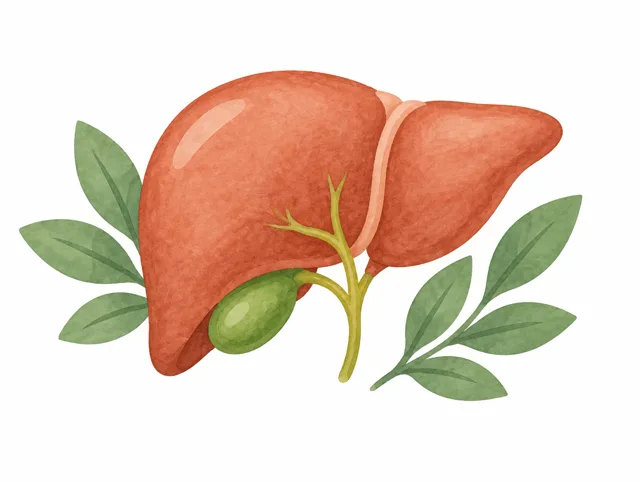
Bile is a yellow-green fluid made by the liver. It helps you digest fat. Bile flows through a set of small tubes called bile ducts, which join and carry it to the small intestine. The gallbladder is a small pouch under the liver that stores bile until you eat.
Bile duct cancer, also called cholangiocarcinoma, starts in the cells lining these tubes. Gallbladder cancer starts in the gallbladder. Doctors often group them together as biliary tract cancers, because they are related and are treated in similar ways.
These cancers often cause no signs early. When they do, a common first sign is yellow skin or eyes (jaundice) from a blocked bile duct. Other signs are itching, dark urine, pale stools, belly pain, and weight loss. Gallbladder cancer is sometimes found by surprise after the gallbladder is removed for gallstones.
Risk factors include long-term swelling of the bile ducts (such as primary sclerosing cholangitis), bile duct cysts, liver flukes (parasites more common in parts of Asia), hepatitis B or C, cirrhosis, and gallstones. Gallbladder cancer is more common in women and in some Native American and Latin American communities. Many people have no known risk factor.
These are serious cancers. But surgery can cure some people when the cancer is found early. For advanced cancer, newer treatments have helped people live longer. Your care team will explain what this means for you.
Types
- Intrahepatic cholangiocarcinoma
- Starts in the small bile ducts inside the liver. It often shows up as a mass in the liver and may not cause jaundice until later. It is the type most likely to have gene changes with their own targeted medicines.
- Perihilar cholangiocarcinoma
- Starts where the main bile ducts leave the liver. It is also called a Klatskin tumor. It often blocks bile flow early and causes jaundice. Surgery for it is complex and best done at an experienced center.
- Distal cholangiocarcinoma
- Starts in the part of the bile duct closer to the small intestine, near the pancreas. It often causes jaundice. Surgery is usually a Whipple operation.
- Gallbladder cancer
- Starts in the lining of the gallbladder. It can spread into the liver nearby. It is sometimes found after routine gallbladder surgery, and then a second surgery may be needed.
- Ampullary cancer
- Starts where the bile duct and pancreas duct meet the small intestine. It is related but is often treated a bit differently. Ask your care team if you are not sure which type you have.
Tests you may have
- Blood tests
- Liver tests show if bile is backing up. Blood counts and kidney tests help plan treatment. Tumor markers CA 19-9 and CEA may be checked to help track the cancer, but a blocked bile duct or infection can raise them too.
- CT and MRI scans
- Detailed pictures of the liver, bile ducts, and nearby blood vessels. They show the size of the tumor and whether it has spread. They help decide if surgery is possible.
- MRCP
- A type of MRI that makes clear pictures of the bile ducts and the pancreas duct. No tube or needle is needed.
- ERCP
- A thin, flexible tube with a camera goes through your mouth to where the bile duct meets the intestine. The doctor can take samples (brushings or a biopsy) and place a stent to open a blocked duct. You are sedated.
- Endoscopic ultrasound (EUS)
- A thin tube with a small ultrasound on the tip lets the doctor see the bile duct and nearby lymph nodes up close. A needle can take a sample.
- Drain through the skin (PTBD)
- If a stent cannot be placed from the inside, a doctor can put a thin tube through the skin into the bile duct to drain bile. The bile may drain into a bag outside the body for a time.
- Biopsy
- A sample of tumor tissue confirms the diagnosis. Enough tissue is also needed for gene and protein tests. Sometimes a biopsy is hard to get, and more than one try is needed.
- PET scan
- A scan that uses a small amount of radioactive sugar to look for cancer spread. It is used in some cases before surgery.
- Tumor gene and protein testing
- Tests on the tumor, often using broad panels called next-generation sequencing (NGS). They look for changes like FGFR2, IDH1, and HER2 that have their own treatments. Experts advise this for everyone with advanced cancer.
What the stage means
Bile duct and gallbladder cancers have number stages from 1 to 4. The details differ for each type. But doctors mostly group them by one key question: can all of the cancer be safely removed with surgery?
The answer depends on where the tumor is, how far it has grown along the ducts, whether it involves main blood vessels, and how healthy the rest of the liver is. A team of surgeons, oncologists, and radiologists usually reviews the scans together.
- Resectable
- The cancer can be fully removed with surgery. This is the only way to cure most of these cancers. Chemotherapy is usually given after surgery to lower the chance it comes back.
- Locally advanced (unresectable)
- The cancer has not spread far, but it involves major blood vessels or too much of the bile ducts or liver to remove safely. Treatment uses medicines, and sometimes radiation or liver-directed treatment.
- Metastatic
- The cancer has spread to distant places, such as other parts of the liver, the lining of the belly, the lungs, or distant lymph nodes. Treatment uses medicines that travel through the whole body. The goals are to control the cancer, help you live longer, and feel as well as possible.
- Liver transplant for some perihilar cancers
- A small group of people with early perihilar cholangiocarcinoma that cannot be removed may be offered chemotherapy and radiation followed by a liver transplant. This is only done at a few specialized centers, and strict rules apply.
- Gallbladder cancer found after surgery
- If cancer is found after the gallbladder was removed for another reason, a second surgery may remove part of the liver and nearby lymph nodes. The decision depends on how deep the cancer went.
Gene and protein tests
Testing the tumor for certain changes is very important in these cancers, most of all for intrahepatic cholangiocarcinoma. Up to about half of these tumors have a change that may be treated with a targeted medicine or studied in a clinical trial.
Ask for testing as early as possible, ideally at diagnosis, so the results are ready when they are needed. If there is not enough tissue, a blood test (liquid biopsy) can sometimes help. Ask your care team which changes your tumor has.
- FGFR2 fusion or rearrangement
- Found in about 1 in 7 intrahepatic cholangiocarcinomas, and rarely in other types. Pills that block FGFR, such as pemigatinib and futibatinib, can shrink these tumors after earlier treatment.
- IDH1 mutation
- Found in about 1 in 7 intrahepatic cholangiocarcinomas. A pill called ivosidenib can slow these tumors after earlier treatment.
- HER2 positive
- More common in gallbladder cancer and distal bile duct cancer. Medicines that target HER2, such as zanidatamab and trastuzumab deruxtecan, can be used after earlier treatment.
- MSI-high or dMMR
- These mean the tumor has trouble fixing mistakes in its DNA. It is rare in these cancers. When present, immunotherapy may work very well.
- BRAF V600E
- A rare change. A combination of two targeted pills, dabrafenib and trametinib, can work against it.
- Other rare changes (NTRK, RET, KRAS G12C)
- These are uncommon, but each has a targeted medicine. They are found only with broad tumor testing, which is why testing every advanced tumor matters.
- Inherited gene testing
- A small number of people have a gene change they were born with, such as BRCA or Lynch syndrome. Ask whether a genetic counselor visit makes sense for you.
Main treatments
- Surgery
- Surgery to remove all the cancer offers the best chance of cure. Depending on the type, it may remove part of the liver, the bile ducts, the gallbladder, or the head of the pancreas (a Whipple operation). These are big operations best done at hospitals that do many of them.
- Opening a blocked bile duct
- If the tumor blocks bile flow, a stent (a small tube made of plastic or metal mesh) is placed, usually by ERCP. If that is not possible, a drain is placed through the skin. This relieves jaundice and itching and is often needed before chemotherapy can start.
- Chemotherapy after surgery
- Most people get about 6 months of capecitabine pills after surgery to lower the chance the cancer returns. Radiation, often with chemotherapy, may be added if cancer cells were left at the edge of what was removed or in lymph nodes.
- First treatment for advanced cancer
- The standard first treatment is chemotherapy with gemcitabine and cisplatin, plus an immunotherapy drug: durvalumab or pembrolizumab. Immunotherapy helps your immune system find and attack cancer. After the chemotherapy part ends, the immunotherapy is often continued.
- Second treatment
- If the cancer grows, chemotherapy such as FOLFOX (a combination with oxaliplatin and 5-FU) is often used, unless the tumor has a change with a targeted medicine.
- Targeted therapy
- Medicines matched to changes in the tumor. These include FGFR inhibitors (pemigatinib, futibatinib), ivosidenib for IDH1, HER2-targeted drugs (zanidatamab, trastuzumab deruxtecan), and dabrafenib with trametinib for BRAF V600E.
- Radiation therapy
- High-energy beams that kill cancer cells. Very focused radiation (SBRT) can treat some tumors that cannot be removed. Radiation can also ease pain or bleeding.
- Liver-directed treatments
- For cancer mostly in the liver, doctors can deliver tiny radioactive beads (Y-90) or chemotherapy through the liver's blood supply, or burn the tumor with heat (ablation). These are used in some people at experienced centers.
- Clinical trials
- Research studies that test new treatments. They are an important option at every stage of these cancers. Ask about them early.
- Palliative care
- A team that focuses on pain, itching, eating, stress, and quality of life. Experts advise seeing them early, at any stage, along with cancer treatment. It is not the same as hospice.
Symptoms, side effects, and what helps
- Jaundice and itching
- A blocked bile duct turns skin and eyes yellow, darkens urine, lightens stools, and causes itching. Opening the duct with a stent or drain usually helps. Cool showers, unscented lotion, and some medicines can ease itching while you wait.
- Stent or drain infection (cholangitis)
- Stents can get blocked over time, and bile can back up and get infected. Fever, chills, belly pain, or new jaundice can be signs. This needs to be treated right away, often with antibiotics and a stent change.
- Caring for a drain
- If you have a drain through the skin, your team will teach you how to flush it, change the dressing, and empty the bag. Call if it leaks, falls out, stops draining, or the skin around it gets red or painful.
- Low blood counts and infection
- Gemcitabine and cisplatin can lower white cells, red cells, and platelets. Wash your hands often and avoid sick people. Call right away for a fever.
- Nausea, tiredness, and kidney effects
- Cisplatin can cause nausea, and medicines given before each dose help. It can also affect the kidneys and hearing, so drink fluids and tell your team about ringing in your ears or hearing changes.
- Immune side effects
- Durvalumab and pembrolizumab can make the immune system attack healthy organs. This can cause diarrhea, rash, cough, thyroid problems, or liver swelling. Most are mild and treatable, but report new symptoms early, even months after treatment.
- FGFR inhibitor side effects
- These pills can raise blood phosphate levels, cause dry mouth and eyes, change nails, cause hair thinning, and rarely cause fluid under the retina in the eye. You will need eye exams and blood tests. A low-phosphate diet may be advised.
- Hand-foot problems and diarrhea from capecitabine
- Capecitabine can make the palms and soles red, sore, or peeling, and can cause diarrhea. Use thick lotion and avoid heat and friction on your hands and feet. Your team may lower the dose if needed.
- Digestion and weight loss
- Poor bile flow and surgery can make it hard to digest fat, causing loose, greasy stools and weight loss. A dietitian can help with small, frequent meals and nutrition drinks. Some people benefit from enzyme capsules.
- Pain
- Belly or back pain is common. Pain medicines work best on a regular schedule. A nerve block or radiation can help when pills are not enough. Tell your team if your pain is not controlled.
Living with and after bile duct and gallbladder cancer
Ask to meet the palliative care team early. They help with pain, itching, eating, sleep, mood, and planning. People who get this support often feel better and cope better.
If you have a stent or drain, learn the warning signs of a blockage or infection. Keep the phone number for your care team with you, and know which hospital can change your stent if needed.
After surgery and chemotherapy, you will have regular visits, scans, and blood tests. These look for any return of the cancer. Recovery from liver or bile duct surgery takes time, and a dietitian can help you regain weight and strength.
With advanced cancer, treatment can often go on for many months. Your team will balance controlling the cancer with how you feel. It is okay to talk about what matters most to you.
Because these cancers are rare, a second opinion at a center that treats many of them can be helpful, especially before surgery or when choosing a targeted medicine.
It is normal to feel scared, sad, or overwhelmed. Caregivers feel this too. Groups such as the Cholangiocarcinoma Foundation offer education and support, and social workers and counselors can help you and your family.
Call your care team right away if you have
- Fever of 100.4 F (38 C) or higher, or shaking chills
- Fever, chills, or belly pain if you have a bile duct stent or drain (possible infection)
- Yellow skin or eyes that is new or getting worse, very dark urine, or pale stools
- A drain that falls out, stops draining, leaks a lot, or bleeds
- Severe belly pain, or vomiting that will not stop
- Black, tarry, or bloody stools, or vomiting blood
- Severe diarrhea, or diarrhea with dizziness, especially during immunotherapy
- New cough, shortness of breath, or chest pain
- Swelling, pain, or warmth in one leg or arm
- Sudden blurry vision or vision loss while on an FGFR inhibitor
Sources
- NCI PDQ: Bile Duct Cancer (Cholangiocarcinoma) Treatment (Patient Version)
- NCI PDQ: Gallbladder Cancer Treatment (Patient Version)
- American Cancer Society: Bile Duct Cancer
Last updated: 2026-10-27. Medically reviewed by Veli Bakalov, MD, medical oncologist (October 2026). General education from Step by Step, the patient portal of HemeOncBuddy.