
Bile duct and gallbladder cancer
Bile duct and gallbladder cancers are serious, but surgery can cure some people, and newer immunotherapy and targeted medicines are helping more people live longer.
Hi, I'm Rosa. Today we'll go through bile duct and gallbladder cancer together, one step at a time. I'll keep it simple, and you can pause me, go back, or skip ahead whenever you like. Just so you know, this is for learning only. It is not medical advice, so please check everything with your own doctor and care team. Okay, let's get started.
What these cancers are
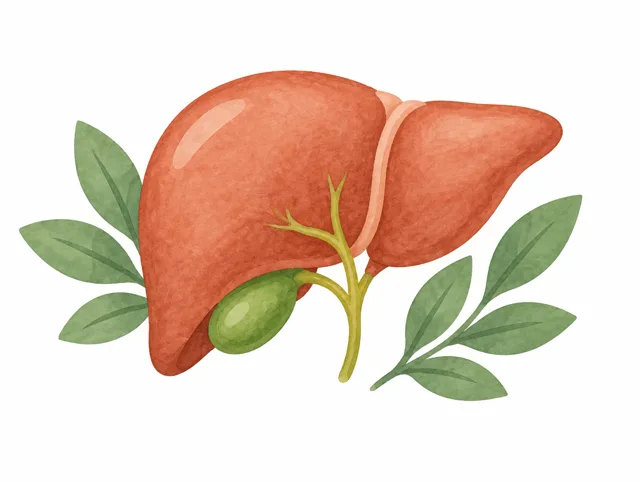
Let's start with the basics. Your liver makes a fluid called bile. Bile helps you digest fat. It flows through small tubes called bile ducts. The gallbladder is a small pouch that stores bile. Bile duct cancer starts in the lining of these tubes. Gallbladder cancer starts in the gallbladder. Early on, there are often no signs. A common first sign is yellow skin or eyes. Itching and dark urine can happen too. These are serious cancers. But surgery can cure some people, and newer medicines are helping people live longer.
The main types
Let's talk briefly about the types. Bile duct cancer is named by where it starts. Some start in the small ducts inside the liver. Others start where the main ducts leave the liver. Others start lower down, near the pancreas. Tumors outside the liver often block bile early, so they cause yellow skin sooner. Gallbladder cancer is its own type. It is sometimes found by surprise after gallbladder surgery for stones. Your care team will tell you which type you have.
Tests you may have
Now let's talk about tests. Blood tests check your liver and look for tumor markers. CT and MRI scans show the tumor and nearby blood vessels. A special MRI shows the bile ducts clearly. A thin tube with a camera can go through your mouth to the bile duct. The doctor can take a sample and place a small tube to keep bile flowing. Sometimes a drain is placed through the skin instead. A biopsy confirms the cancer. The lab also checks the tumor for gene changes.
What the stage means
Next up, let's talk about stages. These cancers have stages 1 to 4. But doctors mostly ask one key question. Can surgery safely remove all of the cancer? The answer depends on where the tumor is. It also depends on nearby blood vessels and the health of your liver. A team of doctors often reviews the scans together. These groups help your team plan treatment. They help everyone talk the same language. Your doctor will explain what your stage means for you.
Gene and protein tests
Before we move to treatment, there are some things to know. The lab can test your tumor for certain changes. In these cancers, testing is very important. Many tumors, most of all those inside the liver, have a change with its own medicine. There are several different markers. Each one has a different role. Some can open the door to a targeted pill. Some can point to a research study. Ask for testing early. Your doctor will tell you what your results mean. You can read more in the guide. The Questions to ask page can help too.
Main treatment options
Now let's look at treatment. Surgery offers the best chance of cure when all the cancer can be removed. After surgery, most people take chemotherapy pills for about six months. If the bile duct is blocked, a small tube or drain helps bile flow. For advanced cancer, the first treatment is chemotherapy plus immunotherapy. Immunotherapy helps your immune system attack the cancer. Targeted pills help people with certain gene changes. Radiation and liver treatments help some people. Palliative care helps with pain and symptoms at any stage. Clinical trials are research studies that may offer new options. Ask about them early.
Symptoms and what helps
Let's talk about symptoms and side effects. Yellow skin and itching often get better once bile can flow. Cool showers and lotion help the itch. A tube in the bile duct can get blocked or infected. Fever or chills need a call right away. Chemotherapy can lower blood counts and cause nausea and tiredness. Immunotherapy can cause diarrhea, rash, or cough. Report these early. Some targeted pills need eye checks. Pain medicines work best on a regular schedule. We have a whole side effects guide on this site.
Living well with it
Last, let's talk about living well. Ask to meet the palliative care team early. They help with pain, itching, eating, and mood. If you have a stent or drain, learn the warning signs of a problem. After treatment, you will have regular visits, scans, and blood tests. A dietitian can help you regain strength. It is normal to feel scared or sad. Support groups can help you and your family. Call right away for a fever, new yellow skin, or a drain problem. If it feels very bad, call 911. Also see our new Screening, prevention and survivorship section.
You did great today. That was a lot, and you took it one step at a time. Write down your questions and bring them to your next visit. Call your care team any time something worries you. You are not alone in this.
Call your care team right away if you have
- Fever of 100.4 F (38 C) or higher, or shaking chills
- Fever, chills, or belly pain if you have a bile duct stent or drain (possible infection)
- Yellow skin or eyes that is new or getting worse, very dark urine, or pale stools
- A drain that falls out, stops draining, leaks a lot, or bleeds
- Severe belly pain, or vomiting that will not stop
- Black, tarry, or bloody stools, or vomiting blood
- Severe diarrhea, or diarrhea with dizziness, especially during immunotherapy
- New cough, shortness of breath, or chest pain
- Swelling, pain, or warmth in one leg or arm
- Sudden blurry vision or vision loss while on an FGFR inhibitor
Side effects: what helps
- Fatigue (tiredness)
- Nausea and vomiting
- Diarrhea
- Constipation
- Mouth sores
- Appetite loss and weight loss
- Taste changes
- Hair loss
- Low white blood cells and infection risk
- Fever with low white blood cells (febrile neutropenia)
- Anemia (low red blood cells)
- Low platelets and bleeding
Sources
Quick answers
- What is bile duct and gallbladder cancer?
- Bile is a yellow-green fluid made by the liver. It helps you digest fat. Bile flows through a set of small tubes called bile ducts, which join and carry it to the small intestine. The gallbladder is a small pouch under the liver that stores bile until you eat. Bile duct cancer, also called cholangiocarcinoma, starts in the cells lining these tubes. Gallbladder cancer starts in the gallbladder. Doctors often group them together as biliary tract cancers, because they are related and are treated in similar ways.
- When should I call my care team?
- Fever of 100.4 F (38 C) or higher, or shaking chills; Fever, chills, or belly pain if you have a bile duct stent or drain (possible infection); Yellow skin or eyes that is new or getting worse, very dark urine, or pale stools; A drain that falls out, stops draining, leaks a lot, or bleeds; Severe belly pain, or vomiting that will not stop; Black, tarry, or bloody stools, or vomiting blood; Severe diarrhea, or diarrhea with dizziness, especially during immunotherapy; New cough, shortness of breath, or chest pain; Swelling, pain, or warmth in one leg or arm; Sudden blurry vision or vision loss while on an FGFR inhibitor.
Last updated: 2026-10-27. Medically reviewed by Veli Bakalov, MD, medical oncologist (October 2026). General education from Step by Step, the patient portal of HemeOncBuddy.