
Obinutuzumab
Say it: oh-bih-noo-TOOZ-oo-mab · Brand names: Gazyva
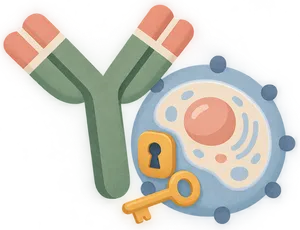
Obinutuzumab is a lab-made antibody that helps your immune system find and kill certain blood cancer cells.
What it is
Many B cells, a type of white blood cell, have a marker on them called CD20. Obinutuzumab sticks to this marker. This flags the cells so your immune system can destroy them.
Often used for
- chronic lymphocytic leukemia (CLL)
- follicular lymphoma
- some kidney problems caused by lupus
How you get it
You get it through a vein (IV) in a clinic. The first doses can take several hours, and the very first dose may be split over 2 days. You often get it a few times in the first month, then less often. Your schedule may be different.
Common side effects and what helps
- Reactions during the infusion, like chills, fever, or feeling dizzy. These are most common with the first dose, and your team will watch you closely.
- Low white blood cells, which raises your risk of infection. Wash your hands often and stay away from people who are sick.
- Low platelets, which can make you bruise or bleed more easily. Use a soft toothbrush and an electric razor.
- Feeling tired. Rest when you need to and take short walks when you can.
- Cough or cold symptoms. Tell your team if they last or get worse.
- Nausea or diarrhea. Eat small meals and drink plenty of fluids.
- Muscle or joint aches. Ask your team what pain medicine is safe for you.
Call your care team right away if you have
- A fever of 100.4 degrees Fahrenheit (38 degrees Celsius) or higher, chills, or other signs of infection
- Trouble breathing, wheezing, swelling of the face or throat, or chest tightness during or after an infusion
- Bleeding that will not stop, black or bloody stools, or coughing up blood
- Yellow skin or eyes, dark urine, or pain on the right side of your belly
- New confusion, trouble thinking, weakness on one side, or changes in your vision or balance
- Peeing much less than normal, or pain in your side or back
Before you start, tell your team
- If you have ever had hepatitis B or C, or any liver disease
- If you have an infection now or get infections often
- If you have heart or lung problems
- If you take blood pressure medicine, since your team may ask you to skip it before an infusion
- If you plan to get any vaccine, since some vaccines are not safe during treatment
- If you are pregnant, may become pregnant, or are breastfeeding
Good to know
- This medicine can wake up an old hepatitis B infection. You will have a blood test for hepatitis B before you start.
- A rare but serious brain infection can happen. Tell your team about any new changes in thinking, vision, or movement.
- When many cancer cells die at once, it can strain your kidneys. Your team may give you fluids and medicine to protect them.
- You will have regular blood tests to check your blood counts.
Questions to ask
- How many treatments will I get, and how long will each visit take?
- What medicines will I get before each infusion?
- Should I stop any of my usual medicines before an infusion?
- Which vaccines are safe for me?
- Which side effects should I call you about right away, and which can wait?
Side effect guides
- Fatigue (tiredness)
- Nausea and vomiting
- Diarrhea
- Low white blood cells and infection risk
- Low platelets and bleeding
- Cough
- Pain
Sources
Quick answers
- What is Obinutuzumab?
- Obinutuzumab is a lab-made antibody that helps your immune system find and kill certain blood cancer cells. Brand names: Gazyva.
- What is Obinutuzumab used for?
- chronic lymphocytic leukemia (CLL); follicular lymphoma; some kidney problems caused by lupus.
- How is Obinutuzumab given?
- You get it through a vein (IV) in a clinic. The first doses can take several hours, and the very first dose may be split over 2 days. You often get it a few times in the first month, then less often. Your schedule may be different.
- What are the common side effects of Obinutuzumab?
- Reactions during the infusion, like chills, fever, or feeling dizzy. Low white blood cells, which raises your risk of infection. Low platelets, which can make you bruise or bleed more easily. Feeling tired. Cough or cold symptoms. Nausea or diarrhea. Muscle or joint aches.
- When should I call my care team while taking Obinutuzumab?
- A fever of 100.4 degrees Fahrenheit (38 degrees Celsius) or higher, chills, or other signs of infection; Trouble breathing, wheezing, swelling of the face or throat, or chest tightness during or after an infusion; Bleeding that will not stop, black or bloody stools, or coughing up blood; Yellow skin or eyes, dark urine, or pain on the right side of your belly; New confusion, trouble thinking, weakness on one side, or changes in your vision or balance; Peeing much less than normal, or pain in your side or back.
Last updated: 2026-10-27. Medically reviewed by Veli Bakalov, MD, medical oncologist (October 2026). General education from Step by Step, the patient portal of HemeOncBuddy.