
Pain
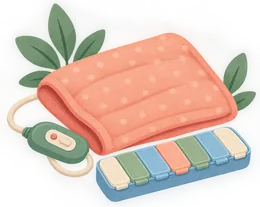
Pain can come from the cancer, from tests or surgery, or from treatment. Most cancer pain can be well controlled, and you do not have to just live with it.
Why it happens
Tumors pressing on bones, nerves, or organs can cause pain. Surgery, radiation, mouth sores, neuropathy, and bone-building shots can also cause it.
What helps
- Rate your pain from 0 to 10 and share it with your care team at every visit.
- Take pain medicine on a schedule if told to, rather than waiting until pain is bad.
- Keep a pain diary with when it happens, what helps, and what makes it worse.
- Try heat, cold, gentle movement, massage, or relaxation along with your medicine.
- Ask about a palliative care team. They are experts in pain and symptom control.
- Store pain medicines safely, and never share them.
Call your care team right away if you have
- Your pain is new, sudden, or much worse.
- Your pain medicine is not working.
- You have new back pain with weakness, numbness, or trouble with urine or bowels. This can be an emergency.
Questions to ask
- What is causing my pain?
- Would a palliative care team be helpful for me?
- What should I do if my pain medicine is not enough or causes side effects?
Medicines that can cause this
- Abemaciclib
- Abiraterone
- Acalabrutinib
- Adagrasib
- Amivantamab
- Apalutamide
- Aprepitant and fosaprepitant
- Arsenic trioxide
- Asciminib
- Asparaginase (pegaspargase and others)
- Atezolizumab
- Bevacizumab
- Bortezomib
- Bosutinib
- Brigatinib
- Carmustine (BCNU)
- Cemiplimab
- Cladribine
- Cytarabine
- Dabigatran
- Dabrafenib and trametinib
- Dacarbazine
- Daratumumab
- Darolutamide
- Dasatinib
- Degarelix
- Denosumab
- Dostarlimab
- Durvalumab
- Elacestrant
Sources
Quick answers
- What is pain during cancer treatment?
- Pain can come from the cancer, from tests or surgery, or from treatment. Most cancer pain can be well controlled, and you do not have to just live with it.
- Why does pain happen?
- Tumors pressing on bones, nerves, or organs can cause pain. Surgery, radiation, mouth sores, neuropathy, and bone-building shots can also cause it.
- What helps with pain?
- Rate your pain from 0 to 10 and share it with your care team at every visit; Take pain medicine on a schedule if told to, rather than waiting until pain is bad; Keep a pain diary with when it happens, what helps, and what makes it worse; Try heat, cold, gentle movement, massage, or relaxation along with your medicine; Ask about a palliative care team. They are experts in pain and symptom control; Store pain medicines safely, and never share them.
- When should I call my care team about pain?
- Your pain is new, sudden, or much worse; Your pain medicine is not working; You have new back pain with weakness, numbness, or trouble with urine or bowels. This can be an emergency.
Last updated: 2026-10-27. Medically reviewed by Veli Bakalov, MD, medical oncologist (October 2026). General education from Step by Step, the patient portal of HemeOncBuddy.