
Bevacizumab
Say it: beh-vah-SIZ-oo-mab · Brand names: Avastin, Mvasi, Zirabev, Alymsys, Vegzelma, Avzivi, Jobevne
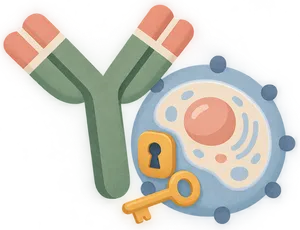
Bevacizumab is a targeted antibody medicine that cuts off the blood supply that tumors need to grow.
What it is
Tumors send out a signal called VEGF to grow new blood vessels that feed them. Bevacizumab blocks VEGF, so fewer new blood vessels form. Without this blood supply, the tumor has a harder time growing.
Often used for
- colon and rectal cancer
- lung cancer
- kidney cancer
- liver cancer
- ovarian, fallopian tube, and peritoneal cancer
- cervical cancer
- glioblastoma (a brain tumor)
How you get it
You get bevacizumab as an infusion into a vein at a clinic. The first infusion takes about 90 minutes, and later ones can be as short as 30 minutes. It is usually given every 2 or 3 weeks, often with chemotherapy. Your schedule may be different.
Common side effects and what helps
- High blood pressure. Your team will check it at every visit. You may need blood pressure medicine.
- Nosebleeds. Pinch your nose and lean forward. Tell your team if they happen often.
- Headache. Tell your team if it is very bad or does not go away.
- Protein in your urine. Your team will check your urine.
- Runny nose. This is usually mild.
- Changes in taste. Try different foods and seasonings.
- Dry skin. Use gentle, unscented lotion.
- Watery eyes or back pain. Tell your team if they bother you.
Call your care team right away if you have
- Very bad belly pain, swelling, vomiting, or fever (possible sign of a hole in the bowel)
- Bleeding that will not stop, coughing or vomiting blood, or black stools
- Chest pain, sudden weakness or numbness on one side, trouble speaking, or a very bad headache
- Pain, swelling, or warmth in one leg, or sudden shortness of breath (possible blood clot)
- Severe headache with confusion, seizures, or vision changes
- A wound that will not heal
Before you start, tell your team
- If you have had surgery recently or have surgery planned, including dental work
- If you have high blood pressure, heart disease, or have had a stroke or blood clot
- If you have bleeding problems or take blood thinners
- If you are pregnant, may become pregnant, or are breastfeeding
- All the medicines, vitamins, and herbal products you take
Good to know
- This medicine can slow wound healing. It is usually stopped at least 28 days before planned surgery and restarted only after the wound heals.
- Rarely, it can cause a hole in the stomach or bowel, serious bleeding, or blood clots.
- You will have your blood pressure and urine checked during treatment.
- This medicine can harm an unborn baby and may affect a woman's ability to have children. Ask your team about birth control and fertility before you start.
Questions to ask
- Do I need to check my blood pressure at home?
- What should I do before surgery or dental work?
- How often will you check my urine?
- How long will I get this medicine?
Part of these treatment plans
Side effect guides
Sources
Quick answers
- What is Bevacizumab?
- Bevacizumab is a targeted antibody medicine that cuts off the blood supply that tumors need to grow. Brand names: Avastin, Mvasi, Zirabev, Alymsys, Vegzelma, Avzivi, Jobevne.
- What is Bevacizumab used for?
- colon and rectal cancer; lung cancer; kidney cancer; liver cancer; ovarian, fallopian tube, and peritoneal cancer; cervical cancer; glioblastoma (a brain tumor).
- How is Bevacizumab given?
- You get bevacizumab as an infusion into a vein at a clinic. The first infusion takes about 90 minutes, and later ones can be as short as 30 minutes. It is usually given every 2 or 3 weeks, often with chemotherapy. Your schedule may be different.
- What are the common side effects of Bevacizumab?
- High blood pressure. Nosebleeds. Headache. Protein in your urine. Runny nose. Changes in taste. Dry skin. Watery eyes or back pain.
- When should I call my care team while taking Bevacizumab?
- Very bad belly pain, swelling, vomiting, or fever (possible sign of a hole in the bowel); Bleeding that will not stop, coughing or vomiting blood, or black stools; Chest pain, sudden weakness or numbness on one side, trouble speaking, or a very bad headache; Pain, swelling, or warmth in one leg, or sudden shortness of breath (possible blood clot); Severe headache with confusion, seizures, or vision changes; A wound that will not heal.
- Which chemotherapy plans include Bevacizumab?
- ABCP, BCP, CAPOX, Carboplatin and paclitaxel, FOLFIRI, FOLFOX, FOLFOXIRI.
Last updated: 2026-10-27. Medically reviewed by Veli Bakalov, MD, medical oncologist (October 2026). General education from Step by Step, the patient portal of HemeOncBuddy.