
Talquetamab
Say it: tal-KET-ah-mab · Brand names: Talvey
Talquetamab is an immunotherapy medicine that links your immune cells to myeloma cells so your body can attack the cancer.
What it is
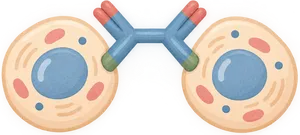
It is a special antibody with two arms. One arm grabs a protein called GPRC5D on myeloma cells, and the other arm grabs a protein called CD3 on your T cells (a type of immune cell). This brings your immune cells right next to the cancer so they can attack it.
Often used for
- multiple myeloma that has come back or stopped responding after several other treatments
How you get it
You get talquetamab as a shot under the skin. The first few doses start small and go up over about a week, and you stay in the hospital for about 2 days after each of these doses. After that, most people get it once a week or once every 2 weeks. Your schedule may be different.
Common side effects and what helps
- Changes in taste, dry mouth, or trouble swallowing. Try soft, moist foods and sip water often.
- Weight loss. Ask to meet with a dietitian if eating is hard.
- Nail changes, such as thin or loose nails. Keep nails short and clean.
- Dry, peeling, or itchy skin and rash. Use gentle, unscented lotion.
- Fever, often from cytokine release syndrome. Check your temperature and call as your team tells you.
- Muscle or joint pain. Ask your team what pain medicine is safe.
- Feeling tired. Rest and short walks can help.
- Colds and other infections. Wash your hands often.
Call your care team right away if you have
- Fever, chills, fast heartbeat, dizziness, or trouble breathing (possible signs of cytokine release syndrome, a strong immune reaction)
- Confusion, trouble speaking or writing, shaking, very bad sleepiness, seizures, or feeling not like yourself
- A fever of 100.4 degrees Fahrenheit (38 degrees Celsius) or higher
- Trouble swallowing or eating that causes you to lose weight quickly
- A rash that spreads quickly, blisters, or peeling skin
- Cough, burning when you pee, or other signs of infection
Before you start, tell your team
- If you have an infection now or get infections often
- If you have had hepatitis B, hepatitis C, or HIV
- If you have ever had a seizure or other nervous system problem
- If you are pregnant, may become pregnant, or are breastfeeding
- All the medicines, vitamins, and herbal products you take
Good to know
- This medicine can cause cytokine release syndrome, a strong immune reaction that causes fever, low blood pressure, and trouble breathing. It is most common after the first few doses and can be life threatening, so you will be watched closely.
- This medicine can cause nervous system problems, such as confusion, trouble speaking, or seizures. Do not drive or use heavy machines during the early doses and for as long as your team tells you.
- This medicine often causes mouth problems, weight loss, and skin and nail changes. Your team will check your weight and may change your doses.
- This medicine lowers your body's infection fighting cells and antibodies. Your team may give you medicines or antibody infusions to help prevent infection.
- Because of these risks, this medicine is only given through a special safety program at certified centers.
At home
- Carry the wallet card your team gives you and show it to any doctor or emergency room.
- Stay close to your treatment center after the first doses, as your team tells you.
- Have a caregiver with you during the early weeks who can watch for confusion or other changes.
Questions to ask
- How long will I need to stay in the hospital for the first doses?
- When can I drive again?
- Do I need medicines or antibody infusions to prevent infection?
- Who do I call after hours if I get a fever?
- What can I do to help with taste changes and dry mouth?
Side effect guides
- Fatigue (tiredness)
- Appetite loss and weight loss
- Taste changes
- Low white blood cells and infection risk
- Skin rash (including EGFR-inhibitor rash)
- Pain
Sources
Quick answers
- What is Talquetamab?
- Talquetamab is an immunotherapy medicine that links your immune cells to myeloma cells so your body can attack the cancer. Brand names: Talvey.
- What is Talquetamab used for?
- multiple myeloma that has come back or stopped responding after several other treatments.
- How is Talquetamab given?
- You get talquetamab as a shot under the skin. The first few doses start small and go up over about a week, and you stay in the hospital for about 2 days after each of these doses. After that, most people get it once a week or once every 2 weeks. Your schedule may be different.
- What are the common side effects of Talquetamab?
- Changes in taste, dry mouth, or trouble swallowing. Weight loss. Nail changes, such as thin or loose nails. Dry, peeling, or itchy skin and rash. Fever, often from cytokine release syndrome. Muscle or joint pain. Feeling tired. Colds and other infections.
- When should I call my care team while taking Talquetamab?
- Fever, chills, fast heartbeat, dizziness, or trouble breathing (possible signs of cytokine release syndrome, a strong immune reaction); Confusion, trouble speaking or writing, shaking, very bad sleepiness, seizures, or feeling not like yourself; A fever of 100.4 degrees Fahrenheit (38 degrees Celsius) or higher; Trouble swallowing or eating that causes you to lose weight quickly; A rash that spreads quickly, blisters, or peeling skin; Cough, burning when you pee, or other signs of infection.
Last updated: 2026-10-27. Medically reviewed by Veli Bakalov, MD, medical oncologist (October 2026). General education from Step by Step, the patient portal of HemeOncBuddy.