
Mesothelioma
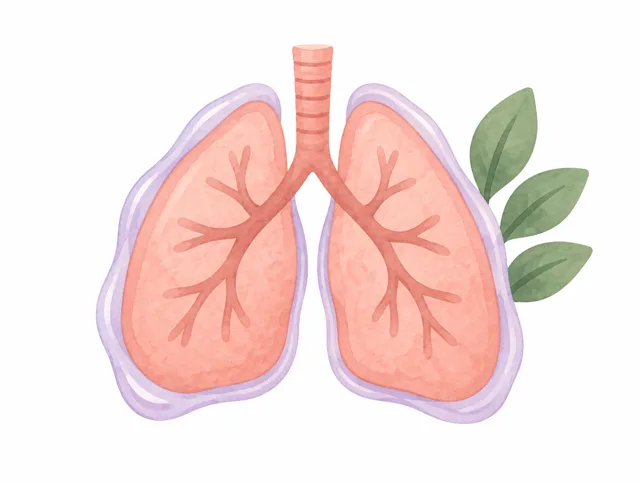
Mesothelioma is a rare cancer linked to asbestos. It is hard to cure, but newer immune treatments are helping many people live longer.
Hi, I'm Rosa. Today we'll go through mesothelioma together, one step at a time. I'll keep it simple, and you can pause me, go back, or skip ahead whenever you like. Just so you know, this is for learning only. It is not medical advice, so please check everything with your own doctor and care team. Okay, let's get started.
What mesothelioma is
Let's start with the basics. Mesothelioma is a rare cancer. It starts in the thin lining that covers some organs. Most often, it starts in the lining around the lungs. Less often, it starts in the lining of the belly. The main cause is asbestos. Asbestos is a mineral used for many years in buildings, ships, and factories. The cancer often shows up many years after the exposure. It can cause fluid around the lung. That can make you short of breath. Mesothelioma is hard to cure. But treatment can help you feel better and live longer.
The main types
Let's talk briefly about the types. There are two ways to sort it. The first is where it starts. Most mesothelioma starts in the chest. Some starts in the belly. The second is how the cells look under a microscope. Epithelioid is the most common cell type. It tends to grow more slowly. Sarcomatoid tends to grow faster. Biphasic is a mix of both. The cell type helps your team choose treatment. Ask your care team which type you have.
Tests you may have
Now let's talk about tests. A chest X-ray or CT scan often comes first. It can show fluid or thickening around the lung. A needle can drain the fluid. This often helps breathing right away. The fluid is checked for cancer cells. But a biopsy is usually needed to be sure. A doctor uses a small camera through the side of your chest to take tissue. A PET scan shows if the cancer has spread. Breathing and heart tests show if surgery is safe for you.
What the stage means
Next up, let's talk about stages. The stage tells how far the cancer has spread. There are four stages. Stage 1 is only in the lining on one side. Higher stages have grown deeper or spread further. Stages help your care team plan treatment. They help everyone talk the same language. For mesothelioma, the cell type and your health matter a lot too. Most people do not have surgery. They are treated with medicines. Your doctor will explain what your stage means for you.
Markers and gene tests
Before we move to treatment, there are some things to know. Lab tests on your tissue confirm the diagnosis. They also show the cell type. Some gene tests look for a change in a gene called BAP1. Rarely, a change like this runs in families. If so, genetic counseling can help your relatives. Immune treatment can work no matter what some markers show. You do not need to memorize them. Your doctor will tell you which ones you have and what they mean. You can read more in the guide. The Questions to ask page can help you prepare.
Main treatment options
Now let's look at treatment. For most people, treatment starts with medicines. One choice is two immune drugs given together. They help your immune system attack the cancer. Another choice is chemotherapy plus an immune drug. Surgery helps only a small number of people. It should be done at a center with a lot of experience. Fluid around the lung can be drained. Doctors can seal the space with talc. Or they can place a small tube you drain at home. Clinical trials are research studies that may offer new options. Ask your care team if one fits you.
Side effects and what helps
Let's talk about side effects. Immune drugs can make your immune system attack healthy organs. This can cause diarrhea, cough, rash, or hormone problems. Tell your team right away. Most of these can be treated if caught early. Chemotherapy can cause tiredness and nausea. Nausea medicine works best taken before you feel sick. You will take vitamins to make one chemotherapy drug safer. Do not skip them. Wash your hands often, and call for a fever. We have a whole side effects guide on this site.
Living well with it
Last, let's talk about living well. Palliative care can help with breathing and pain from the start. It does not mean giving up. If you have a home tube, you will learn to drain it. Stay as active as you can. Breathing exercises can help. Write down where you may have been exposed to asbestos. You may be able to get money to help. A social worker or a trusted lawyer can explain. It is normal to feel angry or sad. Support groups can help. Call right away for a fever or worse breathing. If it feels very bad, call 911. Also see our new Screening, prevention and survivorship section.
You did great today. That was a lot, and you took it one step at a time. Write down your questions and bring them to your next visit. Call your care team any time something worries you. You are not alone in this.
Call your care team right away if you have
- Fever of 100.4 F (38 C) or higher, or shaking chills, especially during chemotherapy
- Shortness of breath that is new, worse, or happens at rest
- New or worse chest pain, or coughing up blood
- New cough with fever or breathlessness during or after immune treatment
- Diarrhea 4 or more times a day more than usual, belly pain, or blood in your stool (possible immune side effect)
- Yellow skin or eyes, very dark urine, or severe tiredness, dizziness, or fainting (possible liver or hormone problem)
- Redness, pus, pain, or fever around a pleural catheter, or a catheter that stops draining
- Belly swelling that gets worse quickly, vomiting, or not passing gas or stool
- Swelling, pain, or warmth in one leg, or sudden chest pain and shortness of breath (possible blood clot)
- Passing much less urine than usual
Side effects: what helps
- Fatigue (tiredness)
- Nausea and vomiting
- Diarrhea
- Constipation
- Mouth sores
- Appetite loss and weight loss
- Taste changes
- Hair loss
- Low white blood cells and infection risk
- Fever with low white blood cells (febrile neutropenia)
- Anemia (low red blood cells)
- Low platelets and bleeding
Sources
Quick answers
- What is mesothelioma?
- Mesothelioma is a rare cancer that starts in the thin lining that covers some organs. This lining is called the mesothelium. Most often, mesothelioma starts in the lining around the lungs and inside the chest wall, called the pleura. This is called pleural mesothelioma. Less often, it starts in the lining of the belly, called the peritoneum. The main cause is breathing in or swallowing asbestos. Asbestos is a mineral that was used for many years in buildings, ships, car brakes, insulation, and factories. The tiny fibers can stay in the body and slowly cause damage. Mesothelioma usually shows up 20 to 50 years after the exposure. Family members of workers can also be exposed from dust on clothes. Some people never know how they were exposed.
- When should I call my care team?
- Fever of 100.4 F (38 C) or higher, or shaking chills, especially during chemotherapy; Shortness of breath that is new, worse, or happens at rest; New or worse chest pain, or coughing up blood; New cough with fever or breathlessness during or after immune treatment; Diarrhea 4 or more times a day more than usual, belly pain, or blood in your stool (possible immune side effect); Yellow skin or eyes, very dark urine, or severe tiredness, dizziness, or fainting (possible liver or hormone problem); Redness, pus, pain, or fever around a pleural catheter, or a catheter that stops draining; Belly swelling that gets worse quickly, vomiting, or not passing gas or stool; Swelling, pain, or warmth in one leg, or sudden chest pain and shortness of breath (possible blood clot); Passing much less urine than usual.
Last updated: 2026-10-27. Medically reviewed by Veli Bakalov, MD, medical oncologist (October 2026). General education from Step by Step, the patient portal of HemeOncBuddy.