
Waldenström macroglobulinemia
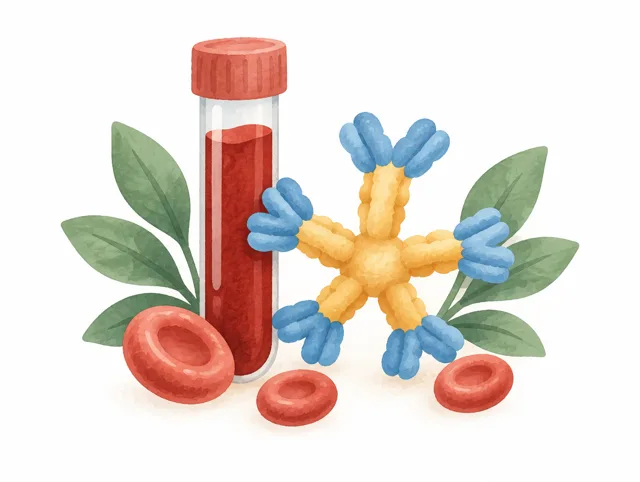
Waldenström macroglobulinemia is a slow-growing blood cancer. Many people do not need treatment right away, and those who do have good options that can control it for years.
Hi, I'm Rosa. Today we'll go through Waldenström macroglobulinemia together, one step at a time. It's a long name, so many people just say Waldenström. I'll keep it simple, and you can pause me, go back, or skip ahead whenever you like. Just so you know, this is for learning only. It is not medical advice, so please check everything with your own doctor and care team. Okay, let's get started.
What Waldenström is
Let's start with the basics. Waldenström is a rare blood cancer. It is a slow-growing type of lymphoma. It starts in B cells. These are white blood cells that help fight infection. The cancer cells live mostly in the bone marrow. That is the soft, spongy inside of your bones. The cells make too much of a protein called IgM. Too much IgM can make your blood thick. Thick blood can cause headaches, blurry vision, or nosebleeds. The cancer cells can also lower your red blood cells. That can make you feel tired. Waldenström usually cannot be cured. But it often grows slowly, and many people live for many years.
Types and related conditions
Let's talk briefly about the types. Some people have a quiet early condition. A blood test finds a little IgM protein. But there are no symptoms, and no treatment is needed. Smoldering Waldenström is in the bone marrow, but it is not causing problems yet. It is watched closely. Symptomatic Waldenström is causing problems. This is when treatment starts. The IgM protein can also cause other problems. It can harm the nerves in the feet and hands. In some people, it reacts to cold. Your care team will tell you which of these you have.
Tests you may have
Now let's talk about tests. Blood tests find and measure the IgM protein. That level helps your team track the disease over time. Another blood test checks how thick your blood is. An eye doctor may look at the back of your eyes. Thick blood can show up there. Blood counts check for anemia. That means low red blood cells. A bone marrow biopsy takes a small sample from the hip bone. You get numbing medicine first. A CT scan looks for swollen lymph nodes or a large spleen. If you have numbness, you may have nerve tests too.
Risk groups and when to treat
Next up, let's talk about when to treat. Waldenström is not staged by tumor size. Instead, doctors ask if it is causing problems. Treatment usually starts only when it does. A high IgM level alone is usually not a reason to start. Problems that do need treatment include anemia, thick blood, and large lymph nodes. Nerve damage from the protein counts too. If none of these are present, you watch and wait. That means regular visits and blood tests. Doctors also use a score to sort people into risk groups. The score helps your team plan. It does not decide your whole future.
Gene tests
Before we move to treatment, there are some things to know. Your bone marrow sample can be tested for gene changes. Two genes matter most. They are called MYD88 and CXCR4. Most people with Waldenström have a change in MYD88. It helps confirm the diagnosis. These results can help your team pick a treatment. They can also show how fast a medicine may work. You do not need to memorize them. Your doctor will tell you which ones you have and what they mean. You can read more in the guide. The Questions to ask page can help you prepare.
Main treatments
Now let's talk about treatment. If Waldenström is not causing problems, you watch and wait. If your blood is very thick, a machine can filter out the extra protein. This works fast. Then other treatment follows. One main choice is a daily pill that blocks a growth signal in the cancer cells. Examples are zanubrutinib and ibrutinib. Another choice is an antibody medicine called rituximab. It is often given with chemotherapy for about six months. Then you get a break. Your team will help you weigh daily pills against a treatment with an end date. Clinical trials are research studies that may offer new options. Ask your team about them.
Side effects and help
Let's look at side effects. The daily pills can cause an uneven heartbeat. Call if your heart races or flutters. They can also make you bruise or bleed more easily. Tell your team before any surgery or dental work. Some people get diarrhea or joint aches. These often get better with time. Infections are more likely. Vaccines and hand washing really matter. Rituximab can cause chills during the first infusions. Medicine beforehand helps. Tell your team early about any new numbness or tingling. We have a whole side effects guide on this site.
Living well with Waldenström
Now let's talk about living well. For most people, Waldenström is managed over many years. There are often long breaks with no treatment at all. Learn the signs of thick blood. These include nosebleeds, blurry vision, headaches, and confusion. Call your care team right away if they happen. Tell any hospital you have Waldenström before a blood transfusion. Keep warm if the cold bothers you. Waiting can feel stressful, and support groups can help. Call right away for a fever. If it feels very bad, call 911. Also visit our new Screening, prevention and survivorship section.
You did great today. That was a lot, and you took it one step at a time. Write down your questions and bring them to your next visit. Call your care team any time something worries you. Waldenström is often a long road, and you are not alone on it.
Call your care team right away if you have
- Fever of 100.4 F (38 C) or higher, or shaking chills
- Nosebleeds or bleeding gums that will not stop, or bleeding that will not stop anywhere
- Sudden blurry vision, loss of vision, or seeing spots
- Severe headache, dizziness, confusion, or extreme sleepiness (possible thick blood)
- Sudden weakness or numbness on one side, a drooping face, or trouble speaking (call 911)
- A racing, pounding, or fluttering heartbeat, chest pain, or fainting
- A hard fall or hit to the head while taking a BTK inhibitor, even if you feel okay
- Numbness, weakness, or trouble walking that gets worse quickly
- Black or bloody stools, or vomiting blood
- A painful rash with blisters on one side of the body (possible shingles)
Side effects: what helps
- Fatigue (tiredness)
- Nausea and vomiting
- Diarrhea
- Constipation
- Mouth sores
- Appetite loss and weight loss
- Taste changes
- Hair loss
- Low white blood cells and infection risk
- Fever with low white blood cells (febrile neutropenia)
- Anemia (low red blood cells)
- Low platelets and bleeding
Sources
Quick answers
- What is waldenström macroglobulinemia?
- Waldenström macroglobulinemia (often called WM or Waldenström) is a rare, slow-growing blood cancer. It is a type of non-Hodgkin lymphoma. It starts in B cells, a kind of white blood cell that helps fight infection. The cancer cells are a mix of lymphocytes and plasma cells, so doctors sometimes call it lymphoplasmacytic lymphoma. The cancer cells live mostly in the bone marrow. Bone marrow is the soft, spongy tissue inside your bones where blood cells are made. The cells make large amounts of one antibody protein called IgM. Too much IgM can make the blood thick. Thick blood flows slowly and can cause headaches, blurry vision, nosebleeds, or confusion. This is called hyperviscosity.
- When should I call my care team?
- Fever of 100.4 F (38 C) or higher, or shaking chills; Nosebleeds or bleeding gums that will not stop, or bleeding that will not stop anywhere; Sudden blurry vision, loss of vision, or seeing spots; Severe headache, dizziness, confusion, or extreme sleepiness (possible thick blood); Sudden weakness or numbness on one side, a drooping face, or trouble speaking (call 911); A racing, pounding, or fluttering heartbeat, chest pain, or fainting; A hard fall or hit to the head while taking a BTK inhibitor, even if you feel okay; Numbness, weakness, or trouble walking that gets worse quickly; Black or bloody stools, or vomiting blood; A painful rash with blisters on one side of the body (possible shingles).
Last updated: 2026-10-27. Medically reviewed by Veli Bakalov, MD, medical oncologist (October 2026). General education from Step by Step, the patient portal of HemeOncBuddy.