
Colorectal cancer
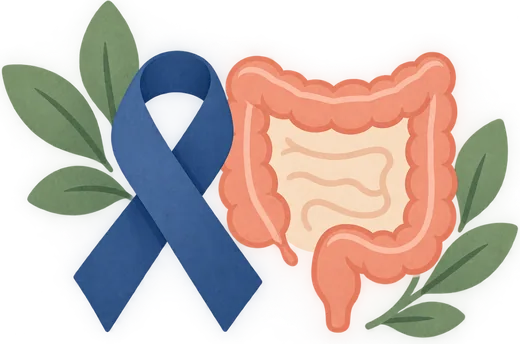
Colon and rectal cancer are often found early and treated well, and treatment has improved a lot in recent years, even for advanced cancer.
Hi, I'm Rosa. Today we'll go through colorectal cancer together, one step at a time. I'll keep it simple, and you can pause me, go back, or skip ahead whenever you like. Just so you know, this is for learning only. It is not medical advice, so please check everything with your own doctor and care team. Okay, let's get started.
What colorectal cancer is
Let's start with the basics. Colorectal cancer starts in the colon or the rectum. The colon is the long part of the large intestine. The rectum is the last few inches, just above the anus. Most of these cancers start as a polyp. A polyp is a small growth on the inside of the bowel. Over many years, some polyps can turn into cancer. That is why screening helps so much. Finding and removing polyps can prevent cancer. Sometimes a gene change runs in the family. Your care team may suggest genetic testing.
The main types
Let's talk briefly about the types. Colon cancer starts in the colon. Rectal cancer starts in the rectum. The rectum sits in a tight space in the pelvis. So its treatment is a bit different. Doctors also look at which side of the colon the cancer is on. Right side and left side can act differently. In a small group, the cancer cells cannot fix mistakes in their DNA. These often respond very well to immune treatment. A few cancers come from a gene change passed down in families. Your care team will tell you which type you have.
Tests you may have
Now let's talk about tests. A colonoscopy uses a thin tube with a camera. It looks at the whole colon and rectum. A biopsy takes a tiny piece of tissue. This is how cancer is confirmed. A CT scan checks if the cancer has spread. For rectal cancer, an MRI scan of the pelvis gives detailed pictures. A blood test can measure a protein some of these cancers release. Lab tests on the tumor look for gene changes. These help choose treatment. You can read more about each test in the guide.
What the stage means
Next up, let's talk about stages. The stage tells how far the cancer has grown. It also shows if it has spread. Doctors look at how deep the tumor goes into the bowel wall. They check nearby lymph nodes. These are small glands that help fight infection. They also check other organs. Stages go from zero to four. Why do stages matter? They help your team plan the best treatment. They also help everyone speak the same language. But stage is not the whole story. Your health and your goals matter too.
Tumor markers and gene tests
Before we move to treatment, there are some things to know. Your tumor tissue can be tested for certain markers. Markers are signs in the cancer cells. There are many different ones. Each one has its own role. Some show which medicines will likely work. Some show which ones will not. Different cancers have different markers. Your doctor will tell you which ones you have. They will also explain what they mean for you. You can read more in the guide. The Questions to ask page can help you prepare.
Main treatments
Now let's talk about treatment. Surgery removes the part of the bowel with the cancer. Chemotherapy uses medicines that kill fast-growing cells. Radiation uses strong beams aimed at the tumor. It is mostly used for rectal cancer. Immune treatment helps your own body fight the cancer. It works very well for some types. Targeted medicines go after a specific part of the cancer. Many people get a mix of these. There are also clinical trials. These are research studies that may offer new options. Ask your team if one fits you.
Side effects and what helps
Let's talk about side effects. Some medicines cause numbness or tingling in the hands and feet. Cold can make it worse, so wear gloves. Diarrhea is common. Drink plenty of fluids. Feeling very tired is common too. Short, gentle walks can help. Chemotherapy can lower your ability to fight infection. Wash your hands often. Some people have an ostomy bag for a while or for good. A special nurse can teach you how to care for it. Always tell your team early. We have a whole side effects guide on this site.
Living well
Last, let's talk about living well. After treatment, you will have regular checkups. These include exams, blood tests, scans, and colonoscopies. Staying active and eating more fiber and vegetables help your health. Your close family may need earlier screening. It is normal to have big feelings. Support groups and counseling can help. Now, some signs mean call your team right away. A fever, especially during chemotherapy. Diarrhea that will not stop. Severe belly pain or not passing gas or stool. If it feels very bad, call 911. Check out our new Screening, prevention and survivorship section.
You did great today. That was a lot to learn, and you went step by step. Write down your questions and bring them to your next visit. Call your care team any time something worries you. You are not alone in this.
Call your care team right away if you have
- Fever of 100.4 F (38 C) or higher, or chills, especially during chemotherapy
- Diarrhea that does not stop, many loose stools a day, or signs of dehydration like dizziness, dark urine, or very little urine
- Not able to keep down food or fluids for a day
- Severe belly pain, a hard swollen belly, or not able to pass gas or stool (possible blocked bowel)
- Heavy bleeding from the rectum, black tarry stools, or vomiting blood
- Sudden chest pain, trouble breathing, or swelling and pain in one leg (possible blood clot)
- Mouth sores so painful you cannot eat or drink
- Signs of infection at a surgery or port site: redness, swelling, pus, or fever
- A problem with your ostomy, such as no output, a dark or purple stoma, or heavy bleeding
- New cough, shortness of breath, severe rash, or yellow skin or eyes while on immunotherapy
Treatment plans (regimens)
Medicines often used
- Capecitabine
- Oxaliplatin
- Bevacizumab
- Nivolumab
- Leucovorin
- Fluorouracil (5-FU)
- Irinotecan
- Cetuximab
- Panitumumab
- Pegfilgrastim
Side effects: what helps
- Fatigue (tiredness)
- Nausea and vomiting
- Diarrhea
- Constipation
- Mouth sores
- Appetite loss and weight loss
- Taste changes
- Hair loss
- Low white blood cells and infection risk
- Fever with low white blood cells (febrile neutropenia)
- Anemia (low red blood cells)
- Low platelets and bleeding
Sources
Quick answers
- What is colorectal cancer?
- Colorectal cancer is cancer that starts in the colon or the rectum. The colon is the long part of the large intestine. The rectum is the last few inches of the intestine, just above the anus. Together they are called the large bowel. Most colorectal cancers start as a polyp. A polyp is a small growth on the inside lining of the bowel. Over many years, some polyps can turn into cancer. This is why screening tests that find and remove polyps can prevent cancer.
- When should I call my care team?
- Fever of 100.4 F (38 C) or higher, or chills, especially during chemotherapy; Diarrhea that does not stop, many loose stools a day, or signs of dehydration like dizziness, dark urine, or very little urine; Not able to keep down food or fluids for a day; Severe belly pain, a hard swollen belly, or not able to pass gas or stool (possible blocked bowel); Heavy bleeding from the rectum, black tarry stools, or vomiting blood; Sudden chest pain, trouble breathing, or swelling and pain in one leg (possible blood clot); Mouth sores so painful you cannot eat or drink; Signs of infection at a surgery or port site: redness, swelling, pus, or fever; A problem with your ostomy, such as no output, a dark or purple stoma, or heavy bleeding; New cough, shortness of breath, severe rash, or yellow skin or eyes while on immunotherapy.
- What chemotherapy plans are used for colorectal cancer?
- Common treatment plans include CAPOX, FOLFIRI, FOLFOX, FOLFOXIRI. Your care team picks the plan that fits your cancer and your health.
Last updated: 2026-10-27. Medically reviewed by Veli Bakalov, MD, medical oncologist (October 2026). General education from Step by Step, the patient portal of HemeOncBuddy.